About
A portfolio that looks at plants two photographs at a time.
Wildstem files flower photographs by what the plants are doing rather than by date or place. A single photograph shows one moment; a pair shows a difference worth writing down.
Plant names appear only where the photograph makes them clear. Everywhere else a plain description does the job, and a correction is always welcome.
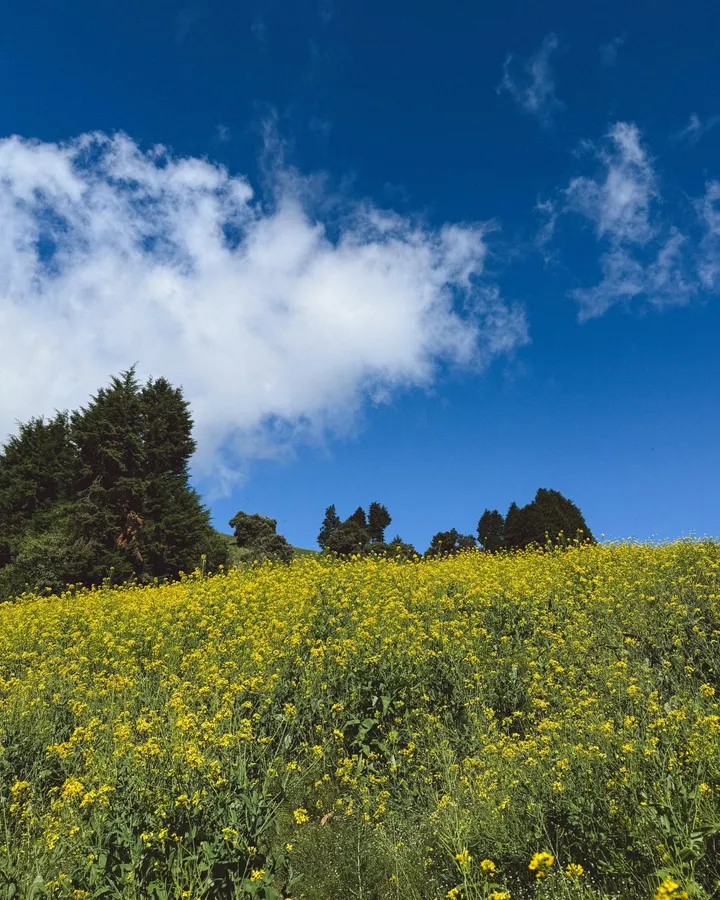
How a study is made
- Choose a pair. Two photographs that share one question: a petal edge, a colour, what is left after flowering.
- Set them side by side. Both at the same portrait crop, labelled Study A and Study B, so neither reads as the before or the after.
- Write down what shows. A short table of the plant, or a plain description when the name is not certain, where it appears and what to look at.
- File it in one band. In flower, At scale, Under glass or After bloom, by what the plants are doing in the photographs.
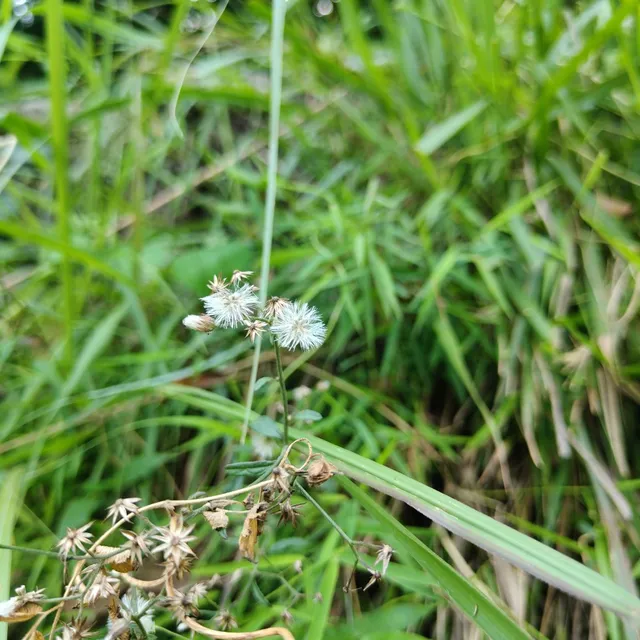
The four bands
- 01 In flower
- Single flowers seen close: petals, centres and the stems that carry them.
- 02 At scale
- Whole slopes and fields, where colour becomes a surface and no single flower leads.
- 03 Under glass
- Beds grown under cover, read as rows, blocks and repeated colour.
- 04 After bloom
- What stays when the petals go: seed heads, pods and dry stems.
Photographers, sources and licences for every photograph and font are listed on the Credits page.